Old, old, old you… Yep! The name of today’s health mail is: LONGEVITY: noun, meaning: “long life”!

Longevity is my new favorite word. Why? Because it means whatever health practice is being discussed? It is something that is sustainable, optimal for health, and it works… because it literally keeps people alive for longer!
I don’t know about you, but I am in a place where I am no longer interested in what helps me “look good”, “tone up”, or “drop 5 pounds fast”. I’m interested in what I can do for the long haul for optimal health and energy. I like to think my head is screwed on right and rooted in holistic health, but you may have watched as my messaging has matured and evolved over the years from “Beachbody” and “I lost the baby weight!” and “I love caffeinated pre-workout on an empty stomach” to “Empower” and “lift heavy” “sleep” “manage stress” and “eat”! And I appreciate you for sticking with me through it, as I’ve learned and grown; for trusting me to share with you the latest I learn and to teach and do better as I know better.
But, it’s time to call out the BS health community, which is flashy and pretty and makes us think it will bring us “results fast”. And it’s time to dig into the meat of health and look at what is going to truly move the needle for our overall health, energy, and quality of life. Looks are always the selling point of “quick” health practices and rarely do they bring results, especially sustainable ones or ones that are the best for our overall health and energy… while how we FEEL and FUNCTION is so much more important, but so undervalued… And the truth is? The practices that will bring us energy & functionality are also the ones that will bring the sustainable improved physique!
Now, thinking about aging is a downer to some, but you know what? The thing that literally all of us have in common? We’re getting older… it is inevitable. So, we may as well embrace it, arm ourselves with tools to do it the best we can, and get started as soon as possible… because we aren’t getting any younger!
What prompted this, you might ask? It’s definitely that reflective time of year as we go into the new year… And for me personally, other than my 35th birthday, which officially kicked me out of the “young adult” qualification according to a study quoted at church… I had a recent health scare with a sore throat that lasted months with one-sided swelling, and it was scary. My doctor suspected thyroid and Google never helps when “cancer” pops up every time you enter your symptoms. So, staring an autoimmune disease or cancer in the face definitely had me pondering life quite differently! We still don’t know what the cause is, but, rest assured, it is most likely something along the lines of acid reflux… But, this health issue along with a little longevity education and inspiration led me down that path of exploring longevity further.

Today, I’m going to walk you through the mindset to begin this longevity pursuit with recommendations for nutrition and exercise, and a whole lot of research that will hopefully prompt you to jump on the bandwagon of this “longevity lifestyle” I’m proposing.
The quote I picked out as our theme?:
“You don’t have to get old like everyone else does”.
Heck yeah! The article was from Women’s Health Magazine and featured a 71 year old fitness influencer who just started lifting ONE YEAR ago. (You can read the full article here: https://www.womenshealthmag.com/fitness/a45195132/joan-macdonald-essay/) She started working out and it changed her life and her health completely!

Another major source of education and inspiration was the book “Forever Strong” by Dr. Gabrielle Lyon who has been in the trenches of studying and conducting research on the effects of nutritional protein and muscle health on longevity. (You can get it here: https://a.co/d/99haR4T) In her work, she’s discovered the disservice the health industry has been doing to Americans by telling them to “eat less, move more” (as it often results in muscle loss), to eat more carbs the food pyramid style, to go to plant based diets, or to only eat .36 grams of protein per pound of bodyweight. She urges adults to double this amount to at least .7 grams of protein per pound of bodyweight a day, lift weights at least two times a week, and focus more on building muscle than losing fat. Why? Because muscle is what:
– it’s what prevents us from breaking bones from a fall
– helps lower our risk of heart disease
– keeps us getting off the toilet by ourselves in our 90s
– it strengthens our immune system
– it improves cholesterol
– it regulates our blood sugar
– it improves fertility
– the practice of building it improves bone integrity and burns calories
– it improves our brain function including learning and memory
– it keeps us independent for longer
– it improves our energy levels
– it prevents dementia
– it improves our sleep quality and duration
– it improves our overall quality of life
– it diminishes our aches and pains
– and yes, it even helps us store less fat by using calories more efficiently- taking care of weight issues as well!

Now, a great point that Dr Lyon makes in her book that I feel is an important place to start here too is this: change starts with your mindset.
Fixed vs Growth Mindset
We’re going to look at a fixed vs growth mindset. A fixed mindset is one that says:
– “I’m just big boned.”
– “My doctor says I’m a healthy weight and my bloodwork is good, so I don’t need to change anything.”
– “I’ve never been an athlete so weight lifting isn’t for me”
– “No one else my age is lifting weights. I’d just look silly.”
– “I don’t want to bulk up.”
– “If I eat that much protein, I’ll gain weight.”
– “I don’t like protein.”
– “I could never get into the routine of formal exercise”
And a lot of this is grounded in the fact that we saw our parents age a certain way and think it’s an inevitability that we will age the same way. It’s a right of passage. An honor to get old enough to see our grandchildren and the aches, pains, and trouble getting around are just things we have to accept as a part of this honor.
But, this doesn’t have to be true. Yes, with age come more health complications as our body gets old, and there are some illnesses that will attack even the healthiest bodies. We can’t defy death. But, you know what we can do? We can age with a lot more vitality, independence, energy, alertness, and grace than we think possible… and we do that by being purposeful about how we move, eat, sleep, manage stress, and interact with others. And our BELIEF of our ability to do these things a little differently than we may be right now is how it starts.
A growth mindset might look more like:
- “I’ve always been bigger, but it’s because I have an unhealthy relationship with food that I’d like to improve.”
- “I’m a healthy weight and have good bloodwork, but all of these benefits?! Sign me up!”
- “I’ve never been an athlete, but that isn’t the same as being a regular exerciser.”
- “No one else my age is lifting weights, but I don’t want to have the same health profile as everyone else my age, so I’m getting in the weight room!”
- “I was afraid to bulk up, but now I know that lifting weights and eating more protein will actually help manage my weight! Bodybuilders are extreme outliers that usually use performance enhancing drugs to look that way- it isn’t easy to build muscle. And if I do, I’ll look more toned than anything!”
- “If I eat the recommended amount of protein, I won’t gain weight, I actually will have an easier time of maintaining and even losing it. Protein is the most filling kind of food and will make me feel less of a need to snack and eat unhealthy foods.”
- “I didn’t eat a lot of protein because I didn’t think I liked it, but there is such a large variety of foods with protein that I’ve found a few sources I really like!”
- “I used to think I wouldn’t be able to get into a routine of formally exercising regularly, but once I started and saw the benefits of it in my life, I never turned back. Getting started and jumping in was all I needed to do!
Growth > Fixed

For my younger audience, I want to let you in on a little secret. If you start doing these things now, you are going to set yourself up with healthy habits for the long-term and you are also going to reduce your risk for disease, obesity, and dementia at an even greater rate than those who are later in the ballgame, so please get started!
But, for those older individuals, it is never too late. Muscle is something you can build into your 90s and beyond. Trying new things is something that is proven to decrease your risk for dementia at any age. And lowering your risk for other diseases and obesity, staying independent for longer, and improving your energy and quality of life can’t sound like a bad bargain either, amiright?!
So, let’s break down a few specific recommendations that aren’t frivolous, vane, or unsustainable… But, actual recommendations that are proven to help us live longer, more energized, more fulfilled, and flat out better quality lives.
Nutrition
Protein
You heard me say it earlier, but we’re shooting for .7-1 gram of protein per IDEAL body weight. How do we know what ideal body weight is? I hesitate to use BMI, but I want you to use it simply as a reference for how much protein to eat. If you are 5’6” for instance, the high range of a healthy body weight starts at 150 pounds. So, for protein, you’d want to eat 105-150 grams of protein per day. If you are 6’, the high end of a health weight is 180 pounds. So, you would want to eat anywhere from 126-180 grams of protein per day.
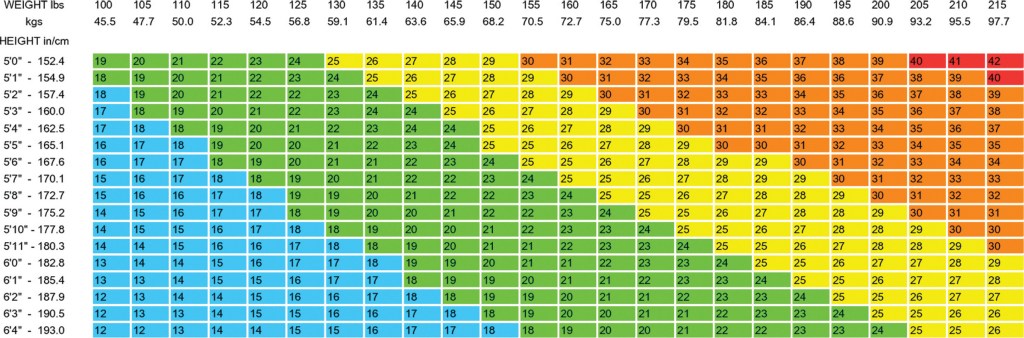
Now, if you are actively trying to lose weight, I’d recommend you stick to the higher end of that .7-1g/lb range. This will keep you from losing that weight from muscle, and encourage more fat loss instead!
As a general rule of thumb, spread your protein out throughout 3-4 solid meals a day, as our body needs it consistently throughout the day. You should find that you do not find yourself needing and/or wanting to snack as often, which is great for blood sugar levels as well! Breakfast may be the most difficult to include protein, so protein powder, or a lean protein such as lean hamburger or turkey burger made into a breakfast sausage may be a good option for you.
As a whole, shoot to get protein from lean animal protein sources, as these proteins have all of the essential amino acids you need to support your skeletal muscle. Plant based sources are incomplete, but if you are plant-based, make sure that you have a variety of sources such as both bean and rice protein to incorporate all aminos acids. Here are a few options of protein to get you started:
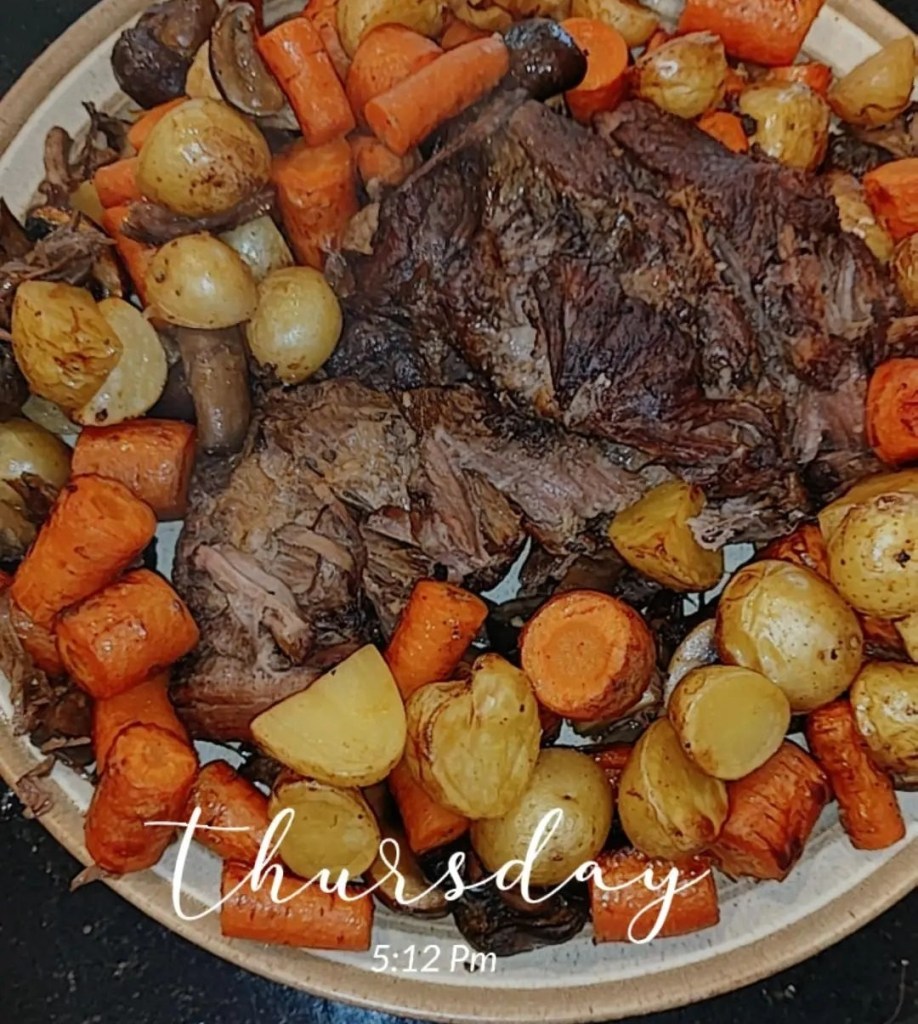
-lean hamburger
-lean turkey
-lean chicken
-fish
-liver is amazing if you can palette it
-greek yogurt
-cottage cheese
-eggs- some whites, some whole
-whey protein powder
-bone broth protein powder aka “hydrobeef” ha!
Leaner is better to avoid overdoing saturated fats. Some fat is okay, especially if it is from a “grassfed, no antibiotic, no hormone” source and if you don’t have cholesterol issues. Animals (like us) store a lot of fat-soluble vitamins and minerals in fat, so we consume some of these in their fat. However, when we get conventional meat from a grocery store that does not denote “grassfed”, “antibiotic free”, or “hormone free”, the fat is actually where an animal also stores leftover antibiotics and hormones which are in huge amounts because they were administered to a very large animal. These both can be very harmful for our gastrointestinal and hormonal health, which affects the health of many other systems in turn. So, if you do buy conventional meat, leaner is better! Cage free eggs are great, pasture raised is even better. Lean dairy is better for protein as well, but if you don’t have a concern with eating saturated fat (like high cholesterol or CVD risks for example), there are benefits to full fat dairy as well.
If you want to hear some studies about the benefits of protein, listen to Dr Lyon on Mel Robbin’s podcast or her book launch episode on her own podcast (https://open.spotify.com/episode/7Bgw0HWiRZZdt5N6nH09c0?si=j6SzjpGwQm2x2NxWg7L9NA and https://open.spotify.com/episode/4qDRHRJWJ6djuOd4g3ugAL?si=yFyejETFQCy-UDEePFVJNA)
Hydration
Yes, drink water by all means! But, let’s make sure we’re also getting electrolytes so we can maintain the hydration in our body instead of eliminating it. How do you know if you have the right balance of water and electrolytes? Look at your urine. If it’s clear, you’re over hydrated and actually stripping your body of electrolytes by diluting them. Shoot for light yellow urine. Dark yellow/orange is a sign you need more water. If you have darker urine in the morning, that is fine because we’ll naturally be dehydrated after not drinking anything all not! So, right away in the morning is when we want to purposefully drink 8-16 oz of water to start our day! A good total daily amount to shoot for is about half your ideal body weight (high range of healthy weight in BMI chart again) in oz of water a day. Dry climates, exercise, breastfeeding, and more can affect this amount, so adjust from that amount as needed for you!
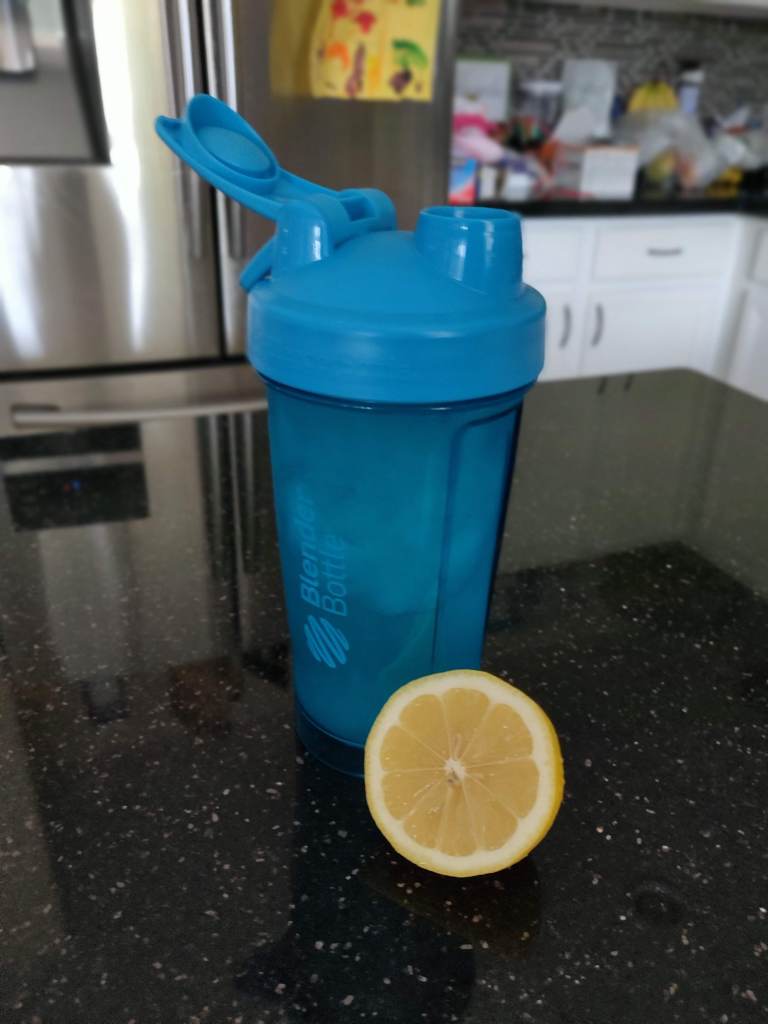
PS- a new finding on caffeine tells us that if we wait to consume it until 9-10 in the morning, it will help prevent the late afternoon and post-lunch energy dips. It is also better for our hormone balance and encourages our cortisol to rise naturally to start the day.
Plants
Eat em up! Plants are where the powerful micronutrients live. This is how we restore our body’s natural balance of vitamin, mineral, and nutrient stores, keep our gut healthy, and keep our energy high as a result! The other benefits include weight management, as plants are nutrient dense, low calorie, and very filling, so they will leave us satisfied for less calories and more nutrients than the average American diet.
Plants are a key to longevity: they give our body nutrients they need, give us consistent energy, and are a long-term weight management tool. Incorporating enough plants in coordination with protein will also make it very unlikely that we’ll need to track our food/calories/macros/portions, as this combination will make it difficult to overeat. The sustainability of a diet high in plants and protein is unmatched!
So what does this look like when we’re talking about actual foods? Aim to get 30 different plants a week in a variety of colors- eat the rainbow! And make sure your selection is coming from various “food groups” as well. For instance, a good balance of fruits, grains/starchy veggies (complex carbohydrates), vegetables, and nutritional fats each day.
Fruits:
any plant with seeds, but for the sake of ease, think sweet: 2+ sources/day, some are higher carb than others, so pay attention to this for calories/sugar, etc depending on your specific dietary needs and limitations due to health issues such as diabetes:
Apples
Bananas
Oranges
Berries
Kiwi
Pomegranate
Lemon
Limes
Grapefruit
Tomatoes
Pineapple
Mango
Guava
Papaya
Cherries
Passion Fruit
Dragon Fruit
Pears
Star Fruit
Peaches
Nectarines
Plums
Apricots
… and more!
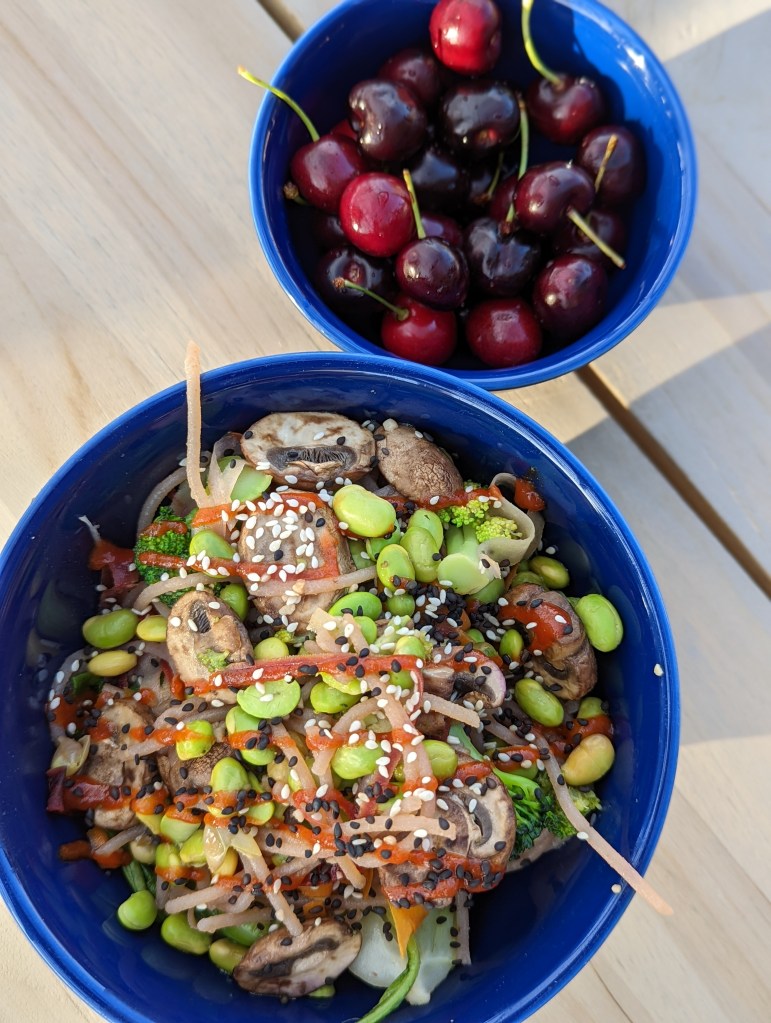
Grains/Starches:
aim for a source per meal in combination with fruits for carbohydrate sources- aim for at least one source from a *veggie source* a day, again pay attention to amount and source depending on your dietary needs and limitations such as allergies/thyroid conditions/diabetes, etc:
*Potatoes
*Sweet Potatoes
*Squash
*Most Root Vegetables (carrots, beets, turnips, cassava, etc)
*Plantains
Wheat
Couscous
Legumes- including beans & lentils
Quinoa
Brown Rice
Wild Rice
Oats
…and more
Vegetables:
3+ sources/day (can include carbs sources too), at least 1 source from greens/day, again pay attention to your specific dietary needs:
Leafy Greens- arugula, spinach, bok choy, kale, collard greens, butter lettuce, rainbow chard, etc
Cruciferous Veggies- broccoli, cauliflower, brussels sprouts, cabbage, (some crossover w/ leafy greens), etc
Celery
Cucumbers
Asparagus
Zucchini
Mushrooms
Peppers
Onion
Garlic
Sweet or Snow Peas w/ Pod
Seaweed
… and more
Nutritional Fats:

about a thumb size or golf ball size per meal, as fat is more calories per gram than carbs or protein, so less is more!
Avocado
Coconut
Nuts, including nut butter
Seeds
Olive Oil
Avocado Oil
… and more
Meals
Now, with this framework, I also recommend you try something that women especially have been afraid to do since skinny became a fad… EAT ENOUGH FOOD AT YOUR MEALS!! Gasp… What a scandalous idea!! But, friend, you will be amazed. If you include adequate protein and a carb and fat source from plants at every meal, you will be amazed at your lack of need to snack (including late at night). The simple act of eating enough protein has shocked my clients at how helpful it is! Some have struggled with their relationship with food and snacking and obsessing for years and finally are feeling free! The power of having control over your food habits comes from ending the fear surrounding it, embracing it, eating enough of it from healthy sources, listening to your hunger and fullness cues, and watching your life transform.
No more skipping breakfast before the gym, eating only a salad for lunch without a carbohydrate source, or binging on late night snacks because you’ve been so “good” all day and “deserve it”. Time to eat 3 square meals like the adult you are instead of limiting, starving, restricting, and then completely losing control every evening or weekend… because that route is unsustainable. It isn’t you who doesn’t have enough willpower, it’s the idea of constantly eating as little as possible that is flawed.
A Note on “Reverse Dieting”
There’s an idea going around right now that people need to “reverse diet” or that they have been eating too little and need to eat more in order to be able to lose weight. Now, it is very true that some people undereat and that their metabolism has adapted as a result. It is untrue that they will lose weight by eating more. They can start eating more and gradually regain the health of their metabolism, though!
And the underlying truth that really lies in “reverse dieting” is that most people underestimate the amount of calories they are actually consuming… or they eat very little throughout the week, but then go completely crazy with takeout and/or alcohol over the weekend that their average calories for the week is actually right where they need it to be to maintain weight or may even be over what they need, making them gain weight.
The beauty of a “reverse diet” is that they are choosing to eat an amount of calories that is actually sustainable and that they can actually truly adhere to… we’ll get to weightloss later.
We were meant to eat food! If you are proactive and give your body the correct amount and sources, you’ll be able to eat, enjoy, and end any kind of crisis you have surrounding food.
I have a few holiday recipes included, but I don’t have any exact meals created for you because it’s time for you to turn those ingredients I listed above into something you ENJOY and can make work in your unique lifestyle!
Weight Loss

Now, Jess, this is all well and good if I’m already at a healthy weight, but I have some weight to lose! How do I navigate that!?
Well, first and foremost, do an assessment of what you’re eating right now. Do you check all of the boxes we’ve mentioned so far: adequate protein, plants, hydration, and 3 solid meals? If not, start here. If so, then work at eating until you’re only about a 7 out of 10 on a fullness scale at each meal. You can also count calories to lose more efficiently, and I’d be happy to help you with this process 1:1.
Losing weight should be done in slow (.5-2 lbs/week), conservative, short-term, focused phases of 2-3 months with 4-6+ month breaks in between where the focus is on maintaining weight and continuing to build healthy eating patterns. This is a general timeline if you’re losing on your own.
The biggest takeaway? Weight loss shouldn’t look much different than everyday life. You just eat a little less, but continue eating plenty of protein!
Exercise
Aerobic
Aerobic exercise has gotten a bad reputation in my hormonally impaired corner of the world. And, this can be true in some specific cases where a person is overstressed, already sick, and whose body is already compromised. But, the truth is that cardiovascular activities are beneficial and necessary for the majority of human beings.
The general recommendation is 150 minutes a week of moderate activities or 75 minutes a week of vigorous activity or an equivalent combination of the two. What does this mean? Well, contrary to what some will tell you, walking does fit the bill for “moderate activity” for some, while it doesn’t for others. The exact definition of moderate activity is getting our heart rate from 64-76% of your max heart rate. The equation for max heart rate= 207 – (.7 x your age). You then take this number and subtract your resting heart rate (how many beats per minute at rest: you can calculate taking your pulse for a minute while sitting calmly). This is called your heart rate reserve (HRR). You then take your HRR x .64-.76 to get your desired range and add back in your resting heart rate.
MHR= 207 – (.7 x age)
MHR-RHR= HRR
THR= (HRR x .64- .76) + RHR
For a 70 year old with a resting heart rate of 70 beats per minute (bpm), this means getting your heart rate between 126-136, which some may do at a brisk walk. For me at 35 with a resting heart rate of 50, I’m looking at the range of 134-152 for this category, and my heart rate rarely gets into the 100s on a walk. So, the moral of the story? Walking MAY NOT be enough for optimal heart health and benefits for you… but, it also MAY get you into this range as well!
Other options for activities that might get your heart rate into the right zone include: walking with a weighted vest, elliptical, treadmill with an incline, running outside or on the treadmill, biking outside or on a stationary bike, boxing, swimming, hiking, jump roping, certain types of circuit training, roller blading, and more!
Strength
The general recommendation is to get at least 2 days of strength training per week for all muscle groups. This can be weight lifting, body weight exercises, plyometrics, or any kind of resistance training.
Now, this is usually the most tricky for people. We know how to run, swim, bike, or go on a cardio machine at the gym… but, lifting weights? Totally out of our comfort zone.
I’ve got you covered.

Now, in order to actually assist with hypertrophy and improve the strength of our muscles, we need to have a stimulus that challenges us. In fact, I’m going to go out on a limb here and say, if you are only using your 5 and 10 pound dumbbells in the corner or under the bed? They aren’t going to cut it. At least not for long. Why? Because our legs have been carrying around our entire body weight every day, they are going to need more of a stimulus than another 5-10 pounds in order to change.
Weights, machines specifically, are what I’d recommend to any beginner. Machines have directions on them, they have built in stability, and they are relatively easy to use and adjust. If you are a novice starting out, I’d love to help you get started with my 1:1 coaching program! If you’re taking on the endeavor yourself, please start with as light of weight as possible to get the form correct before you increase weights. If you have access to a gym or weights at home, you can use my workout program I shared in my last mailing! If you are lifting in a gym, you can also use my workouts as a guide for how to break down what muscle groups to lift which days depending on how many days you are choosing to lift a week.
If you don’t have access to a gym or workout equipment at home, please seriously take the time to consider joining a gym or purchasing equipment! If not, body weight exercises will help, especially at first, and they are drastically better than nothing, but it will be harder to progress, you’ll have less variety, and it is, as a whole, not as sustainable or beneficial for those reasons.
For those of you looking to workout at home, I highly recommend the Bowflex adjustable dumbbells for space saving and ease of use. The workout I shared in my last mailing was a complete home workout program you can utilize these dumbbells for!
Cardio Bunnies
My cardio bunnies who are in great “shape”, but haven’t ever formally incorporated true strength training into their routine?! Don’t think I’m skipping over you… I need you to start lifting! You already have amazing health habits and are in great cardio health, but your muscle tissue still needs a little TLC in the form of true strength training. No, this isn’t a “boot camp” class where you’re doing compound moves that are both upper and lower body moves with the same weight and little to no rest between moves…
True strength training is a movement that is focused on one muscle group and in which the focus muscle group is the limiting factor- not us running out of breath or having another muscle group being limited by a weight (such as not being able to lift legs heavy enough in back squat because we have a back injury or only having 10lb weights we can bicep curl that we’re using in a squat/bicep curl combo move that isn’t challenging our legs at all).

True strength training should also be hard. We should be unable to perform many more of any of those specific moves correctly by the time we are done… If you’re a beginner, work up to this, though! But we should need a break of anywhere from 60 seconds to 3 minutes between sets to be able to perform our next set with the same ability as our last. And we SHOULD go into every set feeling rested.
Strength means HOW MUCH we can lift. Not for how long we can lift something or how many times in a row. But, improving the actual capacity our muscle has to lift and restructuring it so that we become stronger and our muscles become more efficient and healthier.
So, friends that aren’t doing any kind of training that looks like this? Time to start!
LONGEVITY
Alright, friends, we’ve discussed the data, the nutrition, the movement, the mindset… so now? The ball is in your court. You have the info. Hopefully you even have a little inspiration. But, it’s up to YOU to take the action.
VALUES
The best way to ensure success? Tie your habits to a meaningful aspect of your life. Want to be able to play with your grandkids? Hike a mountain? Make it through DisneyLand with your family? Walk around a new country with your spouse on an anniversary trip? Volunteer at a local school or hospital? Run a race with your daughter? Send your disease into remission so you have more quality years with your family? Whatever it may be, remind yourself of it every time you have a decision in front of you.
Time to go to the gym, but you’d rather keep watching TV, do the crossword, you’re tempted to stay later at work, or you feel guilty making your kids do something by themselves? Insert the value you’ve tied your habit to:
-Crossword or lifting my grandchildren?
-Overtime or teaching my children to ingrain healthier habits than I grew up having?
-TV or enjoying that DisneyLand trip with my family?
This is a much easier choice to make in the moment.
SETBACKS
Next, plan for setbacks. You’re going to fail. You’re going to get sick. You’re going to get invited out to eat. You’re going to go out of town. Your routine WILL get messed up. Inevitably. I’ve discussed before how we need to expect this and adjust.
How do we get “back on track”?
We have these healthy habits ingrained in us as a part of our identity. Don’t feel like you’re there yet? Fake it until you make it. Ask yourself, how would a person act that already has embodied the identity of these healthy habits. Would they let themselves eat out for a week after they traveled or bite the bullet and grocery shop and get back to their normal eating pattern the day after they got back. Would they stop working out and “hope” they’d get back on track eventually OR would they hop back to the gym within the next few days of getting home? Ask yourself what this wise, healthy person would do, and do it!
And if you don’t feel like it? Remind yourself of those deep values you connected your healthy habits to earlier!

Change isn’t easy. And we all have room for it! But, please remind yourself that it also isn’t impossible!
Now get to the grocery store, park it in the produce and meat department and get some solid options ready for your week. Go to the gym, activate that membership and get lifting THAT DAY. Email me and tell me you’re ready to create a plan with me… right now. But, please, don’t let another day go by without setting yourself up for the long haul.

Because not only will you live longer, you’ll thank yourself every day for having the courage you had to get uncomfortable enough to change, improve your quality of life, and feel damn good.
BIG NEWS!!
One last thing before we get to my Christmas Baking Menu… I AM OFFICIALLY A CERTIFIED HEALTH COACH!
I took the big test a couple of weeks ago after hours of studying, applying practices with my current clients, and creating resources… and I am so excited to bring these tools to you for years to come, and in a 1:1 capacity- available in 2024!
If you’re interested in working with me in the New Year, get on the wait-list here: https://empowerher.health/one-on-one-coaching/
Also, stay tuned for my Group Nutrition coaching that I’m projecting to launch this spring, complete with recipes, nutrition education, group challenges, and more… this will be a more cost effective way to bring you health guidance- I can’t wait to get started!
And without further ado, let’s get the holiday baking party started!
Jess’s Christmas Baking Menu!
No Bake Coconut Macaroons
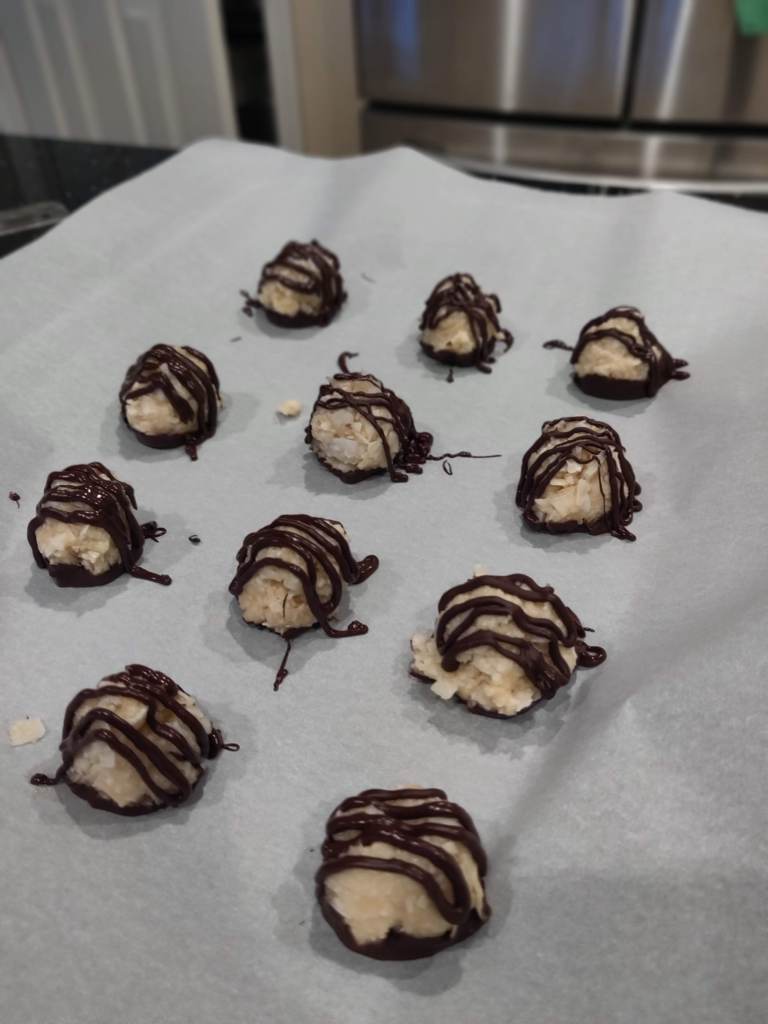
- 1 ¼ cups unsweetened coconut, shreds or flakes ¼ cup finely ground, blanched almond flour
- 3 tablespoons coconut oil, solid or melted
- ¼ cup pure maple syrup
Chocolate Dip
- ¼ cup + 2 tablespoons chocolate chips
Chocolate Dip
- 2 tablespoons chocolate chips
Instructions
- Line a baking sheet with parchment paper or wax paper. Set aside for later.
- Make the macaroons: Add all ingredients (coconut, almond flour, oil and maple syrup) to a food processor. Small coconut flakes are preferable, since large flakes will result in more moist and softer macaroons.
- Blend until you get a wet and sticky mixture, with smaller, but still noticeable coconut pieces. If any maple syrup remains at the bottom of the processor, fold into dough until well mixed.
- Scoop firmly packed balls of coconut mixture. Drop onto the prepared baking sheet, making sure to space balls evenly apart.
- Place baking sheet into the freezer for 15-25 minutes, or until cookies are firm.
- Make the chocolate dip: Use the double boiler method or a microwave as follows. Add ¼ cup + 2 tablespoons chocolate chips to a medium, microwave-safe bowl. Heat in 20-second increments until chocolate is softened and melted. Stir in between heating, until smooth.
- Remove macaroons from freezer. Dip the bottom of one cookie into the bowl of melted chocolate, scraping off excess. Place back onto the prepared baking sheet. Repeat until all macaroons are dipped. There should be leftover melted chocolate.
- Make the drizzle: Add 2 tablespoons chocolate chips to your bowl of leftover melted chocolate. Heat in 20-second increments until softened and melted. Stir until smooth. Spoon melted chocolate into a small zip bag and trim a tiny corner off. Pipe chocolate in a zigzag pattern across the top of each macaroon.
- Freeze for 10-20 minutes. Enjoy! Storing instructions below.
Cut Out Sugar Cookie Recipe

Use this recipe to make cut-out cookies. This great-tasting cookie recipe is excellent, plain, or decorated with royal icing/glaze chocolate or fondant. It’s a cross between sugar and shortbread cookies.
Ingredients
SUGAR COOKIE DOUGH
- 3 cups all-purpose flour or gluten free flour
- 1/2 tsp salt
- 1 cup room temperature unsalted butter or vegan butter ( I love Miyokos brand)
- 1 cup granulated sugar
- 1 large egg
- 1 tbsp vanilla extract
- 1 tsp baking powder
- 1/2 tsp almond extract (optional)
- 1/2 tsp lemon extract (optional)
Instructions
SUGAR COOKIE DOUGH
Dry Ingredients
- Sift together flour (3 cups), baking powder (1 teaspoon), and salt (1/2 teaspoon), set aside.
Cream Butter and Sugar
- In a mixing bowl cream together room temperature butter (1cup) and sugar (1cup), about 5 minutes, scrape the bowl twice. Butter creamed with sugar should be light and creamy in color.
- In a small dish whisk together room-temperature egg (1) and vanilla extract(1 tablespoon). If using, whisk in almond (1/2 teaspoon) and lemon extract(1/2 teaspoon), and set aside.
- Gradually add the egg mixture to the butter mixture. Beat well until combined- about a minute.
- Lower the speed of your mixer to low. Gradually add in the flour mixture in 3 parts. Scrape the bowl well after the last addition and beat slowly until the flour is mixed in. At this stage, you’ll see chunks of cookie dough.
- Gather dough into a ball, flatten it and shape it into a disk.
- TIP: If the dough appears too wet add 1 to 2 tablespoons of flour.
- Wrap the dough in plastic wrap and refrigerate overnight or for at least 2-4 hours. This is great when you don’t have time to make the cookies on the same day.
- Or speed up the process by placing it in the freezer for 30 minutes to an hour.
- Or you can roll out freshly made cookie dough between two sheets of parchment or silicone mats and chill for an hour. I don’t recommend leaving rolled cookie dough in the fridge for too long (overnight and longer) as it tends to dry out around the edges.
- Preheat oven to 375F.
- If you find that the disk of dough is hard as a rock, don’t panic. Quarter the dough. Take one piece and microwave it on high for 5-8 seconds to soften it up a little. It shouldn’t be super soft, just soft enough so you can roll it out, you’ll still need to apply a little bit of pressure.
- Cut up the remaining dough into smaller pieces, and set aside. Place microwaved piece between your rolling guides (optional) and roll to ¼ inch thickness
- Cut out as many cookies as you can. Gather scraps and to the scraps add a chilled piece of cut-up cookie dough you set aside. Re-roll and repeat until you are done with all the cookies. Place the cookies on a light-colored baking sheet lined with parchment paper or perforated. Chill the cutouts in the fridge for about 10 minutes, or in the freezer for 5.
Bake
- Bake for 10-11 minutes, depending on the oven, turn the sheet once half way through the baking.
- Let the cookies cool on the baking sheet for 5 minutes, and transfer them to a cooling rack.
- Store in an airtight container for up to 2 weeks or freeze undecorated cookies between pieces of wax paper in a large freeze safe container, for up to 3 months.
- Decorate cookies as desired with royal icing or other medium that you use.
Keep in fridge for 3 days
Puppy Chow Recipe (Muddy Buddies)
Ingredients
- 1 cup semisweet or dark chocolate chips
- 1 cup creamy peanut butter
- 6-7 cups Rice Chex Cereal
- 1-2 cups powdered sugar
Instructions
- Melt peanut butter and chocolate together, either on the stovetop or in the microwave.
- Next, add 3 cups of cereal to a large bowl. Pour 1 cup of your chocolate/peanut butter mixture over the cereal.
- Add 3 more cups of cereal to the bowl and then pour the rest of the chocolate/peanut butter mixture on top.
- Stir until the cereal is evenly coated. If there are pools of chocolate/peanut butter at the bottom of your bowl, add more cereal 1/4 cup at a time until all that deliciousness is coating your cereal. Remember we WANT clumps, so do NOT add too much cereal!
- Let the mixture cool slightly (you can put in the fridge to speed up process). You do not want it to harden!
- Once your mixture is at or below room temperature, add 1 cup of powdered sugar. Mix until combined.
- Let cool for about 15 minutes.
- Add more powdered sugar 1/4 cup at a time until your cereal is coated to your satisfaction.
- Store in an airtight container at room temperature
Raspberry Scones
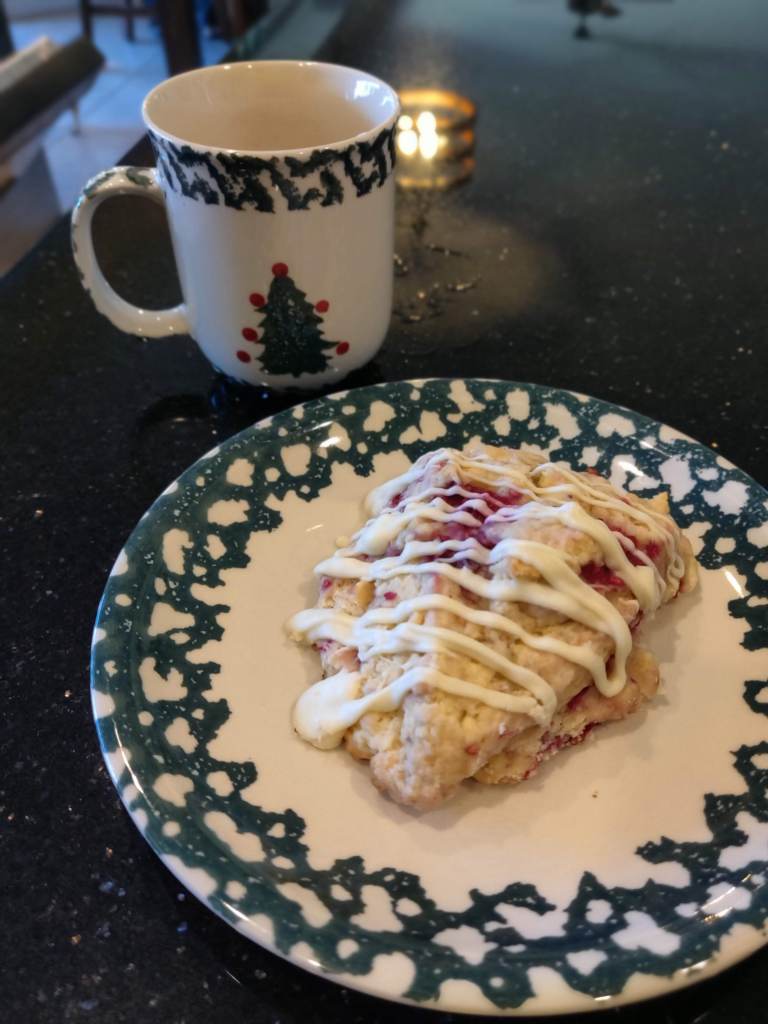
INGREDIENTS
- 4 cups flour or GF flour option
- 2/3 cup sugar
- 2 Tbsp baking powder
- 1 tsp salt
- 1 cup cold butter (vegan if desired)
- 1 cup white chocolate chips
- 3/4 cup milk (can be plant based, esp if thicker))
- 1/2 cup cream (coconut cream)
- 2 eggs
- 1 1/2 tsp almond extract
- 1 tsp vanilla extract
- 2 cups fresh raspberries
- 1/3 cup white chocolate chips for drizzle (optional)
INSTRUCTIONS
- Whisk together flour, sugar, baking powder, and salt in a large mixing bowl. Cut in the butter with a pastry cutter, or use a grater to grate it in. Stir in the 1 cup of white chips.
- In a small bowl, whisk together the milk, cream, eggs, and extracts. Add to the flour mixture and gently stir till barely combined. Carefully fold in the raspberries. If the dough doesn’t stick together, you can add a little more milk, but you don’t want to add too much.
- Divide dough in half. Pat each portion into a 7-8″ circle on a floured counter top. Cut each into 8 wedges.
- Place scones on cookie sheets and bake at 400° for 15-20 minutes or till lightly browned. Drizzle with melted white chocolate if desired.
Happy Holidays!
-Jess
For unto us a child is born, unto us a son is given: and the government shall be upon his shoulder: and his name shall be called Wonderful, Counsellor, The mighty God, The everlasting Father, The Prince of Peace.
Isaiah 9:6 KJV

 Empower Her Health Coaching
Leave a comment